

Introduction
Ponni Rice is more than just a staple grain in South Indian kitchens—it’s comfort food, tradition, and everyday nourishment on a plate. Known for its soft texture, mild flavor, and easy digestibility, this rice has quietly become a favorite not just in Tamil Nadu but across households looking for a healthier daily rice option.
Whether you're cooking a simple lunch, preparing festive meals, or searching for a dependable rice variety for your family, Ponni rice fits effortlessly into daily life. It’s light on the stomach, versatile in recipes, and pairs beautifully with curries, sambar, rasam, and even modern fusion dishes.
For people exploring organic and natural food choices or looking to buy Ponni Rice online, understanding its benefits, nutrition, and usage can help you make a better, more informed choice.
What is Ponni Rice?
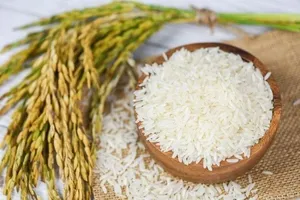
Ponni Rice is a medium-grain rice developed in Tamil Nadu. It is widely cultivated along the Cauvery river basin, which is why it is named “Ponni,” another name for the river.
It is known for:
-
Soft and fluffy texture after cooking
-
Mild aroma and taste
-
Easy digestibility
-
Lower glycemic response compared to some polished rice varieties
It is available in both white and partially parboiled versions, making it suitable for everyday meals.
Ponni rice is primarily a carbohydrate source, making it an excellent energy food for active lifestyles.
Benefits of Ponni Rice
1. Easy Digestibility
Ponni rice is gentle on the stomach, making it suitable for children, elderly people, and those recovering from illness.
2. Quick Energy Source
The carbohydrates in Ponni rice provide instant energy, ideal for daily active routines.
3. Light and Non-Sticky Texture
Unlike sticky rice varieties, Ponni rice remains fluffy, making it perfect for mixed dishes.
4. Versatile in Cooking
From plain steamed rice to biryani, pongal, and fried rice, it adapts easily.
5. Suitable for Daily Consumption
Its balanced nutritional profile makes it a reliable everyday staple.
Uses of Ponni Rice
-
Daily steamed rice meals
-
South Indian classics like sambar rice and curd rice
-
Pongal and khichdi preparations
-
Light biryani variations
-
Idli batter base (in some traditional methods)
Health Benefits
Ponni Rice supports overall energy needs and digestion. While it is not a superfood, it plays an important role in balanced diets.
-
Provides quick energy for metabolism
-
Supports gut comfort due to its light texture
-
Can be included in controlled portions for weight management diets
-
Suitable for low-spice, simple diets
When paired with vegetables, legumes, and healthy fats, it becomes part of a balanced meal.
Who Should Consume It?
-
Families looking for daily staple rice
-
People with sensitive digestion
-
Active individuals needing energy
-
Children and elderly people
-
Those preferring mild-flavored food
Who Should Avoid or Limit It?
-
People on strict low-carb diets
-
Individuals managing diabetes (portion control is essential)
-
Those aiming for high-fiber grain alternatives only
Possible Side Effects
Ponni rice is generally safe. However:
-
Overeating may lead to weight gain due to carbohydrates
-
Low fiber compared to brown rice alternatives
-
May cause blood sugar spikes if consumed in large quantities
Precautions
-
Practice portion control
-
Combine with vegetables and protein
-
Avoid over-polishing or overcooking
-
Balance with whole grains when possible
Buying Guide
When you plan to buy Ponni Rice online, keep these points in mind:
-
Check whether it is raw or parboiled
-
Prefer organically grown or pesticide-free options
-
Look for grain consistency (uniform size and color)
-
Check freshness and packaging date
-
Choose trusted organic grocery stores in Chennai or verified sellers
For households focused on natural living, organic Ponni rice is often preferred for its purity and minimal processing.
Storage Tips
-
Store in an airtight container
-
Keep in a cool, dry place
-
Avoid moisture exposure
-
Use neem leaves or natural repellents for insects
-
Do not mix old and new stock
Healthy Tips
-
Pair Ponni rice with dal, vegetables, and healthy fats
-
Avoid deep-fried accompaniments daily
-
Control portion size (1–1.5 cups cooked per meal)
-
Prefer lunch over late-night consumption
Best Time to Consume
The best time to consume Ponni Rice is during lunch, when the body’s metabolism is more active and can efficiently process carbohydrates.
Common Mistakes to Avoid
-
Overcooking rice until mushy
-
Eating large portions without protein balance
-
Relying only on rice without vegetables
-
Not rinsing rice properly before cooking
Expert Tips
-
Soak rice for 15–20 minutes for softer texture
-
Use a 1:2 rice-to-water ratio for perfect cooking
-
Add a teaspoon of ghee for enhanced taste and digestion
-
Combine with millets occasionally for variety
How to Include It in Daily Routine
-
Lunch with sambar or rasam
-
Curd rice for dinner occasionally
-
Vegetable rice bowls
-
Light biryani for weekends
-
Mixed rice with legumes
7 Best Recipes Using Ponni Rice
-
Vegetable Fried Rice
-
Lemon Rice
-
Tomato Rice
-
Pongal
-
Coconut Rice
-
Biryani Style Ponni Rice
-
Curd Rice
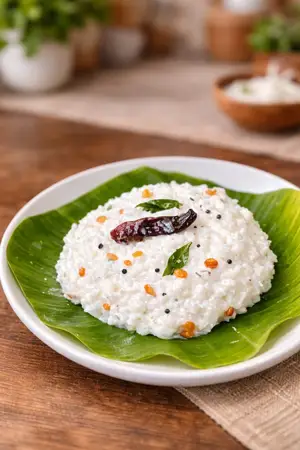
Classic South Indian Curd Rice (Best Recipe)
Introduction
A comforting dish that cools the body and supports digestion, especially in hot climates.
Preparation Time: 10 mins
Cooking Time: 15 mins
Servings: 2
Ingredients
-
1 cup cooked Ponni rice
-
1 cup curd
-
Salt to taste
-
1 tbsp milk (optional)
-
Mustard seeds, curry leaves
-
Green chilli, ginger
-
Oil or ghee
Procedure
-
Mash cooked rice gently.
-
Add curd and milk, mix well.
-
Heat oil, add mustard seeds and curry leaves.
-
Pour tempering into rice mixture.
-
Add salt and mix.
Tips
-
Use slightly overcooked rice for softness
Variations
-
Add pomegranate or cucumber
Nutritional Highlights
Rich in probiotics and cooling properties
FAQs
1. Is Ponni Rice healthy for daily consumption?
Yes, Ponni Rice can be consumed daily as part of a balanced diet. It provides quick energy and is easy to digest. However, portion control is important, especially for those managing weight or blood sugar levels. Pairing it with vegetables and protein makes it a healthier daily meal option.
2. Is Ponni Rice good for weight loss?
Ponni rice alone is not a weight-loss food, but it can be included in a controlled diet. Eating moderate portions along with fiber-rich vegetables and lean protein helps maintain calorie balance. Choosing parboiled or less polished versions can also improve satiety and nutritional value.
3. Can diabetics eat Ponni Rice?
People with diabetes can eat Ponni rice in limited portions. It has a moderate glycemic impact, so combining it with fiber-rich foods like vegetables and legumes helps reduce blood sugar spikes. Always consult a nutritionist for personalized advice.
4. What is the difference between Ponni Rice and Sona Masoori?
Ponni rice is softer and slightly more starchy, while Sona Masoori is lighter and less sticky. Both are popular South Indian varieties, but Ponni rice is often preferred for traditional meals like sambar rice and curd rice.
5. How do I buy good quality Ponni Rice online?
When you buy Ponni Rice online, check for grain uniformity, freshness, packaging date, and whether it is organically grown. Trusted organic stores in Chennai and verified sellers ensure better quality and purity.