

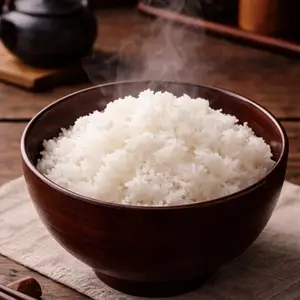
Ponni Boiled Rice: Benefits, Nutrition, Cooking Tips, and Why It’s a Smart Choice for Everyday Meals
Introduction
Ponni Boiled Rice has earned a special place in kitchens across South India, and for good reason. Known for its light texture, satisfying taste, and nutritional value, this rice variety is a preferred choice for families looking for a balanced everyday staple. Whether served with traditional curries, sambar, rasam, or vegetable dishes, it complements a wide range of meals while offering consistent quality and flavor.
As more people pay attention to healthy eating, Ponni Boiled Rice continues to stand out because of its unique processing method and wholesome qualities. It is often chosen by households seeking a rice variety that is filling, easy to digest, and suitable for regular consumption. This guide covers everything you need to know, including nutrition, health benefits, cooking methods, storage tips, and reasons why this rice remains one of India's most trusted staples.
What Is Ponni Boiled Rice?
Understanding This Popular South Indian Rice Variety
Ponni Boiled Rice is a premium variety of parboiled rice primarily cultivated in Tamil Nadu and neighboring regions. The name "Ponni" is associated with the fertile lands nourished by the River Kaveri, often called Ponni in Tamil. The grains undergo a parboiling process before milling, which helps preserve valuable nutrients naturally present in the rice.
Unlike regular white rice, boiled Ponni rice has a firmer texture and separate grains after cooking. This makes it an excellent option for everyday meals, lunch boxes, and traditional South Indian recipes. Its mild flavor allows it to pair beautifully with spicy gravies, lentils, vegetables, and meat dishes.
How Is Ponni Boiled Rice Processed?
The Parboiling Process Explained
The distinctive qualities of Ponni Boiled Rice come from the parboiling process. Freshly harvested paddy is soaked in water, steamed under controlled conditions, and then dried before milling. This traditional method allows nutrients from the outer layers of the grain to move inward.
As a result, the rice retains more vitamins and minerals compared to conventionally milled white rice. The process also improves the grain's strength, reducing breakage during milling while producing firm, fluffy rice after cooking. These characteristics contribute to its popularity among households and restaurants alike.
Nutritional Value of Ponni Boiled Rice
Essential Nutrients That Support Everyday Nutrition
One reason many families choose Ponni Boiled Rice is its balanced nutritional profile. It provides carbohydrates that supply steady energy while also containing small amounts of protein, vitamins, and minerals naturally retained during parboiling.
The nutritional content may vary slightly depending on the brand and cultivation method, but generally it contains:
-
Complex carbohydrates
-
Moderate dietary fiber
-
Protein
-
Iron
-
Magnesium
-
Potassium
-
B vitamins
-
Low fat content
Its combination of nutrients makes it a dependable source of daily energy while fitting comfortably into a balanced diet.
Health Benefits of Ponni Boiled Rice
A Nutritious Choice for Everyday Meals
Many households prefer Ponni Boiled Rice because it combines taste with nutritional value. The parboiling process helps preserve nutrients that are often lost during conventional rice processing. As part of a balanced diet, it supports energy needs while offering satisfying meals throughout the day.
Since the grains remain firm after cooking, they also create meals that feel filling without becoming overly sticky. This makes portion control easier for many people while providing lasting satisfaction between meals.
Supports Steady Energy Levels
The complex carbohydrates found in boiled Ponni rice provide a gradual release of energy. Instead of creating sharp spikes and drops, they help sustain energy during work, study, or daily activities.
This makes it an excellent choice for breakfast, lunch, or dinner, especially for individuals who need consistent energy throughout the day. Athletes and physically active individuals often appreciate its ability to support endurance meals.
Naturally Filling
Meals prepared with Ponni Boiled Rice are satisfying because the grains remain separate and maintain their structure after cooking. Combined with vegetables, lentils, pulses, or lean protein, it creates balanced meals that help reduce unnecessary snacking.
The satisfying texture also contributes to a pleasant dining experience, making it suitable for both traditional and modern recipes.
Is Ponni Boiled Rice Good for Diabetes?
Understanding Its Glycemic Impact
One common question is whether Ponni Boiled Rice for diabetes is a suitable choice. Parboiled rice generally has a lower glycemic index than regular polished white rice because of the way it is processed. This means it may cause a slower rise in blood sugar levels.
However, individual responses vary. Portion size, cooking methods, and the foods eaten alongside rice all influence blood glucose levels. Pairing Ponni Boiled Rice with vegetables, legumes, healthy fats, and protein can help create a balanced meal. Individuals with diabetes should follow the advice of their healthcare provider or registered dietitian regarding portion sizes and overall dietary planning.
Ponni Boiled Rice vs White Rice
Which One Is Better?
Choosing between Ponni Boiled Rice and regular white rice depends on personal preferences and nutritional goals. While both provide carbohydrates, parboiled rice offers several advantages because of its unique processing method.
Ponni Boiled Rice generally retains more nutrients, has firmer grains, and stays fluffy after cooking. Regular white rice often cooks faster and has a softer texture but may lose more nutrients during milling. Families seeking a nutritious everyday rice frequently prefer Ponni Boiled Rice for its balance of taste, texture, and nutritional value.
Ponni Boiled Rice vs Raw Rice
Understanding the Difference
Raw rice and Ponni Boiled Rice differ mainly in how they are processed. Raw rice is milled directly after harvesting, while boiled rice undergoes soaking, steaming, and drying before milling.
This additional processing influences texture, cooking behavior, and nutrient retention. Boiled Ponni rice produces firmer grains that remain separate after cooking, making it ideal for traditional South Indian meals. Raw rice tends to have a softer consistency and may be preferred for recipes requiring a delicate texture.
Why Ponni Boiled Rice Is Popular in South India
A Staple for Traditional Meals
For generations, Ponni Boiled Rice has been an essential part of South Indian cuisine. Its versatility allows it to pair effortlessly with sambar, rasam, curd, fish curry, chicken curry, vegetable kootu, poriyal, and numerous regional specialties.
The rice absorbs flavors beautifully while maintaining its shape, making every meal satisfying. Its dependable cooking performance also explains why many restaurants and catering services continue to rely on this rice variety.
How to Cook Ponni Boiled Rice Perfectly
Traditional Stovetop Method
Cooking Ponni Boiled Rice is simple once the correct ratio is understood. Rinse the rice thoroughly to remove excess starch before cooking. Some people also soak it for around 20 to 30 minutes to improve texture and reduce cooking time.
Use an appropriate amount of water and cook over medium heat until the grains become tender. Once cooked, allow the rice to rest for a few minutes before fluffing gently with a fork or spoon. This helps maintain separate, fluffy grains.
Pressure Cooker Method
Many households prefer using a pressure cooker because it saves time. After washing the rice, combine it with the recommended amount of water and cook according to your pressure cooker's instructions.
Allow the pressure to release naturally before opening the lid. The result is soft yet separate grains suitable for everyday meals.
Rice Cooker Method
A rice cooker offers a convenient way to prepare Ponni Boiled Rice consistently. Simply wash the rice, add the required water, and select the appropriate cooking setting.
The automatic cooking cycle prevents overcooking while keeping the rice warm until serving time, making it ideal for busy households.
Can Ponni Boiled Rice Support Weight Management?
Choosing Balanced Portions
Many people searching for healthy rice options ask whether Ponni Boiled Rice supports weight management. Rice itself is neither inherently fattening nor a weight-loss food. What matters most is overall calorie intake, portion sizes, and dietary balance.
Because boiled Ponni rice has a satisfying texture, many people find it easier to enjoy moderate portions. Pairing it with vegetables, legumes, lean proteins, and healthy fats creates filling meals that support balanced eating habits.
Storage Tips for Maximum Freshness
Keeping Your Rice in Excellent Condition
Proper storage helps maintain the quality of Ponni Boiled Rice for longer periods. Store the rice in an airtight container placed in a cool, dry location away from moisture and direct sunlight.
Avoid storing rice near strong-smelling foods, as grains can absorb surrounding odors over time. Regularly checking storage containers for moisture or pests also helps preserve freshness and prevents waste.
How to Choose High-Quality Ponni Boiled Rice
What to Look for Before Buying
Not all rice products offer the same quality. When shopping for Ponni Boiled Rice, inspect the grains carefully if possible. High-quality rice usually has uniform grain size, minimal broken grains, and a clean appearance.
Packaging should be intact, and trusted brands often provide details about origin, milling standards, and quality certifications. Reading customer reviews and checking manufacturing dates can also help you select a reliable product.
Common Mistakes to Avoid While Cooking Ponni Boiled Rice
Small Changes That Improve Results
Even experienced cooks occasionally make mistakes that affect rice texture. Using too much water can produce overly soft rice, while too little water leaves grains undercooked.
Skipping rinsing may leave excess starch, causing grains to stick together. Opening the lid repeatedly during cooking can interrupt the cooking process and affect consistency. Allowing the rice to rest briefly before serving helps improve its final texture and appearance.
Frequently Asked Questions About Ponni Boiled Rice
Is Ponni Boiled Rice suitable for daily consumption?
Yes. As part of a balanced diet that includes vegetables, fruits, proteins, and healthy fats, Ponni Boiled Rice can be enjoyed regularly by many individuals.
Does Ponni Boiled Rice cook faster than raw rice?
Cooking times vary depending on soaking, cooking method, and equipment. Parboiled rice often requires slightly different cooking times than raw rice but delivers firm, fluffy grains.
Can I use Ponni Boiled Rice for lunch boxes?
Absolutely. Since the grains remain separate and retain their texture after cooling, it is an excellent option for packed lunches.
Is Ponni Boiled Rice gluten-free?
Yes. Like other natural rice varieties, Ponni Boiled Rice is naturally gluten-free. People with celiac disease or gluten sensitivity should still verify that the packaged product has not been cross-contaminated during processing if this is a concern.
What dishes pair best with Ponni Boiled Rice?
It pairs well with traditional South Indian dishes such as sambar, rasam, kootu, poriyal, curd, and a wide variety of vegetarian and non-vegetarian curries.
Why Families Continue Choosing Ponni Boiled Rice
A Trusted Kitchen Staple
The popularity of Ponni Boiled Rice has remained strong because it consistently delivers quality, taste, and nutrition. Its firm texture, pleasant flavor, and ability to complement diverse cuisines make it suitable for everyday cooking.
Whether prepared for a simple family lunch or a festive gathering, it provides dependable results that satisfy both home cooks and guests. Its long-standing reputation reflects generations of trust built through consistent performance.
7 Delicious Recipe Ideas with Ponni Boiled Rice
Ponni Boiled Rice is incredibly versatile and works well in both traditional and modern recipes. Its fluffy texture and ability to absorb flavors make it suitable for a variety of meals. Here are seven popular dishes you can prepare using this wholesome rice:
-
Sambar rice
-
Rasam rice
-
Lemon rice
-
Curd rice
-
Coconut rice
-
Tamarind rice
-
Mixed vegetable stir fry rice
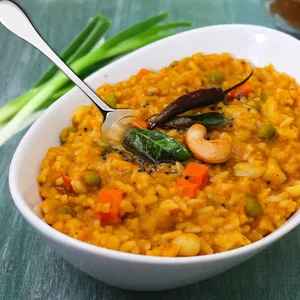
Best Recipe: Traditional Sambar Rice with Ponni Boiled Rice
Ingredients
For the Rice
-
1 cup Ponni Boiled Rice
-
3 cups water
For the Sambar
-
½ cup toor dal (split pigeon peas)
-
1 small onion, sliced
-
1 tomato, chopped
-
1 cup mixed vegetables (drumstick, carrot, pumpkin, brinjal, or beans)
-
2 tablespoons sambar powder
-
¼ teaspoon turmeric powder
-
Salt to taste
-
Tamarind extract (from a small lemon-sized ball of tamarind)
-
2 tablespoons oil or ghee
For Tempering
-
1 teaspoon mustard seeds
-
1 teaspoon cumin seeds
-
2 dried red chilies
-
8–10 curry leaves
-
A pinch of asafoetida (hing)
Procedure
Step 1: Cook the Rice
Wash the Ponni Boiled Rice thoroughly and cook it with 3 cups of water until the grains are soft and fluffy. Set it aside while preparing the sambar.
Step 2: Cook the Dal
Rinse the toor dal and pressure cook it with turmeric powder and enough water until soft. Mash the cooked dal and keep it ready.
Step 3: Prepare the Vegetables
In a large pot, cook the chopped vegetables with a little water until they become tender. Add the chopped tomato and cook for another few minutes.
Step 4: Make the Sambar
Add tamarind extract, sambar powder, salt, and the mashed dal to the vegetables. Mix well and let the sambar simmer for 10–15 minutes so the flavors blend together.
Step 5: Prepare the Tempering
Heat oil or ghee in a small pan. Add mustard seeds and let them crackle. Stir in cumin seeds, dried red chilies, curry leaves, and asafoetida. Fry for a few seconds until aromatic.
Step 6: Combine Everything
Pour the tempering into the simmering sambar and mix well. Add the cooked Ponni Boiled Rice and gently combine until every grain is coated with the flavorful sambar. Cook on low heat for 2–3 minutes.
Serving Suggestions
Serve hot with papad, pickle, potato fry, or a simple vegetable poriyal. Garnish with fresh coriander leaves and a teaspoon of ghee for extra flavor. This wholesome meal is perfect for lunch or dinner and highlights the delicious taste and texture of Ponni Boiled Rice.