

Introduction
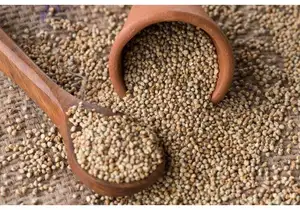
Kambu, also known as Pearl Millet, is one of India’s oldest traditional grains that has been consumed for generations. Known for its earthy flavor and impressive nutritional value, kambu millet is becoming popular among people looking for healthy food choices. This versatile grain can be used in many dishes, from traditional kambu koozh to modern recipes like millet dosa and kambu rice. With growing awareness about ancient grains, gluten-free foods, and nutritious millet recipes, kambu has become an important part of balanced everyday meals.
What Is Kambu Millet and Why Is It Popular?
Kambu millet is a traditional cereal grain widely grown and consumed in India. Also called Pearl Millet, it is known for its high fiber content, minerals, and natural energy benefits. For centuries, kambu has been a staple food in many rural communities because it is filling, affordable, and easy to prepare.
Today, kambu millet is gaining attention among health-conscious consumers who are searching for alternatives to polished rice and refined grains. Its versatility allows it to be used in porridge, rotis, dosa, snacks, and rice-style dishes.
Nutritional Benefits of Kambu Millet
Kambu is naturally rich in dietary fiber, protein, iron, magnesium, and other essential nutrients. Including kambu millet recipes in your regular diet can help add more whole grains and variety to your meals.
The fiber content in kambu supports better digestion and helps keep you satisfied for longer after meals. Its nutrient profile makes it a popular choice for families looking for traditional foods that fit into a healthy lifestyle. When combined with vegetables, pulses, and spices, kambu can become a wholesome meal option.
Is Kambu Good for Weight Management?
Kambu is often included in weight management meal plans because it is a fiber-rich grain that helps promote fullness. Replacing refined grains with traditional millets like kambu can make meals more nutritious and satisfying.
Healthy kambu recipes such as kambu koozh, kambu dosa, and vegetable kambu rice are simple ways to enjoy this millet regularly. Along with a balanced diet and active lifestyle, kambu can support mindful eating habits without compromising on taste.
Health Benefits of Kambu for Daily Diet
Adding kambu millet to your daily meals is an easy way to include traditional nutrition in modern cooking. It contains important nutrients that support overall wellness and provides long-lasting energy.
Kambu is also naturally gluten-free, making it suitable for people who prefer gluten-free grains. Whether prepared as a refreshing summer drink like kambu koozh or as a warm breakfast dish, this millet offers plenty of options for different food preferences.
How to Cook Kambu Millet Properly?
Cooking kambu requires simple preparation steps to get the best taste and texture. The grain should be cleaned properly before use, and soaking can help soften it for cooking.
Kambu flour is commonly used to prepare rotis, dosas, and porridge, while whole kambu grains can be cooked into nutritious meals. Using the right water ratio and cooking method helps maintain the natural flavor of the millet while creating delicious dishes for everyday consumption.
Traditional Uses of Kambu in Indian Cooking
Kambu has a strong connection with traditional Indian cuisine, especially in South Indian households. Recipes like kambu koozh, kambu kali, and kambu dosa have been enjoyed for generations due to their taste and nutritional value.
Modern kitchens have also adapted kambu into new recipes such as millet bowls, vegetable dishes, and healthy snacks. This combination of tradition and convenience has helped kambu millet become popular among people of all age groups.
Why Choose Aram Iyarkai?
Aram Iyarkai focuses on providing naturally sourced traditional food products that help families reconnect with healthier eating habits. Their kambu millet is selected with care to maintain quality, authenticity, and the natural goodness of traditional grains.
Choosing Aram Iyarkai allows customers to include pure millet products in their daily cooking with confidence. The brand values traditional farming practices and offers grains that support nutritious homemade meals while preserving the original taste and benefits of ancient ingredients.
7 Healthy Kambu Recipe Ideas
1. Kambu Koozh
A traditional summer drink made with fermented kambu flour, water, and buttermilk. It is refreshing, filling, and commonly enjoyed in South India.
2. Kambu Vegetable Pulao
A healthy one-pot meal prepared with kambu, vegetables, and aromatic spices. It is a nutritious alternative to regular rice pulao.
3. Kambu Dosa
A crispy dosa made using kambu flour or soaked kambu grains. It pairs well with chutney and sambar.
4. Kambu Roti
A soft and nutritious flatbread prepared using kambu flour. It is a great alternative to regular wheat rotis.
5. Kambu Upma
A quick breakfast recipe made with kambu, vegetables, and mild spices. It is suitable for busy mornings.
6. Kambu Pongal
A comforting South Indian dish made with kambu, moong dal, pepper, cumin, and ghee.
7. Kambu Sweet Porridge
A traditional sweet dish prepared with kambu flour, jaggery, milk, and cardamom. It is a healthy dessert option.
Best Recipe: Kambu Sweet Porridge Recipe
Ingredients
-
½ cup kambu flour (Pearl Millet flour)
-
2 cups water
-
1 cup milk (optional)
-
3–4 tablespoons powdered jaggery
-
¼ teaspoon cardamom powder
-
1 tablespoon grated coconut (optional)
-
1 teaspoon ghee
-
5–6 cashews
-
5–6 raisins
Step-by-Step Procedure
-
Mix kambu flour with a little water to make a smooth paste without lumps.
-
Heat the remaining water in a pan and slowly add the kambu mixture while stirring continuously.
-
Cook on medium flame for 8–10 minutes until the porridge thickens and the raw smell disappears.
-
Add jaggery and mix well until it dissolves completely.
-
Pour milk and cook for another 2–3 minutes on low flame.
-
Add cardamom powder, coconut, and mix well.
-
Heat ghee separately, roast cashews and raisins, then add them to the porridge.
-
Serve warm.
Cooking Time: 20 minutes
Serving Size: 2–3 people
Useful Tips for Making Kambu Sweet Porridge
-
Always mix kambu flour with water before cooking to avoid lumps.
-
Use organic jaggery for a more natural sweetness.
-
Adjust the consistency by adding more milk or water according to your preference.
-
Add nuts and dry fruits for extra taste and nutrition.
-
For a vegan version, replace milk with coconut milk or almond milk.
Why Include Kambu Sweet Porridge in Your Diet?
Kambu sweet porridge is a nourishing dish that combines the goodness of traditional millet with natural ingredients. The fiber content from kambu helps improve fullness, while jaggery adds natural sweetness along with minerals. This recipe is suitable for both children and adults when prepared with balanced ingredients. Including homemade kambu recipes like sweet porridge is a great way to bring traditional foods back into everyday meals.
FAQ Section
1. What is kambu millet?
Kambu millet is the Tamil name for Pearl Millet, a traditional grain rich in fiber, minerals, and nutrients. It is commonly used in Indian recipes like kambu koozh, dosa, and roti.
2. Is kambu good for health?
Yes, kambu is considered a nutritious millet because it contains fiber, protein, iron, and essential minerals. Including kambu recipes in a balanced diet can help improve overall nutrition.
3. Can diabetic people eat kambu?
Kambu is often preferred by people looking for high-fiber millet options. However, portion control and a balanced meal plan are important for maintaining healthy blood sugar levels.
4. How to eat kambu daily?
Kambu can be included in daily meals through recipes like kambu dosa, kambu roti, kambu koozh, porridge, and millet-based rice dishes.
5. What are the popular kambu recipes?
Popular kambu recipes include kambu koozh, kambu dosa, kambu roti, kambu pongal, kambu upma, and kambu vegetable pulao. These dishes are easy ways to add traditional millet to your diet.