

_U-175.webp)
Mapillai Samba Rice: Benefits, Nutrition, Uses, Buying Guide & Healthy Ways to Include It in Your Diet
Mapillai Samba Rice is one of Tamil Nadu's most treasured traditional rice varieties, celebrated for its rich nutritional profile, earthy flavor, and numerous health benefits. Unlike polished white rice, this heritage grain retains its bran layer, making it naturally rich in fiber, vitamins, minerals, and antioxidants.
Over the years, more people have started choosing traditional rice over refined grains as they look for healthier alternatives for everyday meals. If you're interested in organic shopping, natural foods, or online grocery shopping, Mapillai Samba Rice is a wholesome addition to your pantry. Today, it's easier than ever to buy Mapillai Samba Rice online from trusted organic grocery stores that source authentic native rice varieties.
Whether you're preparing steamed rice, idli, dosa, pongal, or even nutritious salads, Mapillai Samba Rice offers excellent taste while supporting a healthy lifestyle.
What is Mapillai Samba Rice?
Mapillai Samba Rice is an ancient indigenous rice variety cultivated mainly in Tamil Nadu. The name "Mapillai" translates to "bridegroom" in Tamil. According to local tradition, newly married men were served this nutritious rice to boost stamina and strength, which is how it earned its unique name.
This reddish-brown rice is minimally processed, allowing it to retain essential nutrients found in the outer bran layer. Compared to polished white rice, it contains more dietary fiber, iron, antioxidants, and natural plant compounds that contribute to overall wellness.
Nutritional Value of Mapillai Samba Rice
Approximate values per 100g (uncooked)
| Nutrient | Approximate Value |
| Energy | 350 kcal |
| Carbohydrates | 75 g |
| Protein | 8 g |
| Calcium | Present |
| Magnesium | Good Source |
Values may vary depending on cultivation and processing methods.
5 Amazing Benefits of Mapillai Samba Rice
1. Naturally Rich in Dietary Fiber
Its high fiber content supports healthy digestion, promotes regular bowel movements, and helps you stay fuller for longer.
2. Helps Maintain Healthy Blood Sugar Levels
Compared to refined white rice, this traditional variety has a lower glycemic impact when consumed as part of a balanced meal.
3. Rich Source of Iron
Iron plays a vital role in producing healthy red blood cells and supporting oxygen transport throughout the body.
4. Promotes Heart Health
Whole-grain rice varieties contain fiber and antioxidants that may support healthy cholesterol levels when included in a balanced diet.
5. Supports Digestive Health
The bran layer provides natural fiber that nourishes gut bacteria and promotes digestive wellness.
Health Benefits
Supports Digestive Wellness
The dietary fiber helps improve bowel regularity and supports healthy digestion.
Helps with Weight Management
Its satisfying nature may reduce frequent snacking when consumed in appropriate portions.
Supports Bone Health
Mapillai Samba Rice contains minerals like magnesium and calcium that contribute to bone health.
Encourages Better Metabolism
Whole grains provide essential nutrients involved in normal metabolic functions.
May Support Heart Wellness
A balanced diet rich in whole grains is associated with better cardiovascular health.
Who Should Consume Mapillai Samba Rice?
Mapillai Samba Rice is suitable for:
-
Families seeking healthier rice alternatives
-
Fitness enthusiasts
-
Growing children
-
Working professionals
-
Older adults
-
People looking for whole-grain foods
-
Individuals interested in traditional and organic foods
Who Should Limit or Avoid It?
Although nutritious, some people should consume it in moderation or seek professional dietary advice:
-
Individuals with specific grain allergies
-
Those advised to follow low-fiber diets after certain medical procedures
-
People with kidney conditions requiring mineral restrictions
Possible Side Effects
Mapillai Samba Rice is generally well tolerated. However:
-
Excess consumption may cause digestive discomfort in people not accustomed to high-fiber foods.
-
Portion control remains important for maintaining balanced calorie intake.
-
Introduce it gradually if switching from refined white rice.
Precautions
-
Wash thoroughly before cooking.
-
Soak for 6–8 hours for better texture and cooking.
-
Purchase from reliable organic suppliers.
-
Store properly to maintain freshness.
Buying Guide
Choosing authentic Mapillai Samba Rice ensures you enjoy its full nutritional value.
Look for:
-
Traditional native variety
-
Naturally reddish-brown grains
-
Unpolished or semi-polished rice
-
Chemical-free cultivation
-
Organic certification when available
-
Fresh harvest dates
-
Airtight packaging
If you prefer convenience, you can buy Mapillai Samba Rice online from trusted organic grocery stores that specialize in traditional grains and natural food products. Reputable sellers usually provide detailed sourcing information and proper packaging to preserve freshness.
Storage Tips
-
Store in an airtight container.
-
Keep in a cool, dry place.
-
Avoid direct sunlight.
-
Use dry utensils while handling.
-
Refrigerate during humid seasons if necessary.
-
Finish within the recommended shelf life for the best flavor.
Healthy Tips
-
Pair with vegetables and legumes for balanced nutrition.
-
Combine with dal for a complete protein-rich meal.
-
Include leafy greens alongside rice dishes.
-
Use moderate portions even though it's a healthier rice choice.
-
Drink enough water when increasing dietary fiber.
Best Time to Consume
Mapillai Samba Rice can be enjoyed at:
-
Breakfast (Idli, Dosa)
-
Lunch (Steamed rice with vegetables and dal)
-
Dinner (Light vegetable rice or porridge)
Many people prefer it as their primary lunch grain because it provides long-lasting energy.
Common Mistakes to Avoid
-
Skipping soaking before cooking
-
Overcooking the rice
-
Using insufficient water
-
Buying polished versions instead of traditional whole grain
-
Storing in humid conditions
-
Consuming oversized portions
Expert Tips
-
Soak overnight for softer grains.
-
Cook in a pressure cooker for better texture.
-
Pair with protein-rich foods.
-
Rotate with other traditional rice varieties for dietary diversity.
-
Buy from trusted organic grocery stores to ensure authenticity.
Myth vs Fact
|
|
||
|
|
||
|
|
||
|
|
||
|
|
How to Include Mapillai Samba Rice in Your Daily Diet
Adding this traditional rice to your meals doesn't require a complete change in your cooking routine. Replace polished white rice with Mapillai Samba Rice two or three times a week and gradually increase the frequency as you become familiar with its texture and flavor.
You can prepare steamed rice for lunch, make soft idlis and crispy dosas for breakfast, cook a comforting vegetable pongal, or use the cooked rice in wholesome salads and one-pot meals. Pair it with dal, vegetables, sprouts, or lean protein to create balanced meals that are both satisfying and nutritious.
Recipes You Can Make with Mapillai Samba Rice
Mapillai Samba Rice is a versatile traditional grain that can be used in many South Indian and healthy recipes. Some popular dishes include:
-
Traditional Steamed Mapillai Samba Rice
-
Mapillai Samba Rice Pongal
-
Mapillai Samba Rice Idli
-
Mapillai Samba Rice Dosa
-
Vegetable Pulao
-
Lemon Rice
-
Curd Rice
-
Coconut Rice
-
Tomato Rice
-
Rice Kanji (Porridge)
-
Sweet Payasam
-
Vegetable Fried Rice
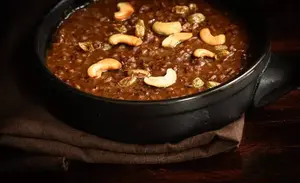
Best Recipe You Must Try This On Your Home : Traditional Mapillai Samba Rice Pongal
Why You'll Love It
Mapillai Samba Rice Pongal is a comforting, protein-rich dish that combines the goodness of traditional rice and moong dal. It's perfect for breakfast, lunch, or a light dinner and is easy to prepare while retaining the nutritional benefits of this heritage rice.
Preparation Time
15 Minutes
Cooking Time
30 Minutes
Servings
4
Ingredients
-
1 cup Mapillai Samba Rice
-
½ cup Moong Dal
-
5 cups Water
-
2 tbsp Ghee
-
1 tsp Cumin Seeds
-
1 tsp Whole Black Pepper
-
1 inch Ginger, finely chopped
-
10–12 Cashew Nuts
-
A few Curry Leaves
-
Salt to taste
Method
-
Wash the Mapillai Samba Rice thoroughly and soak it for 4–6 hours.
-
Dry roast the moong dal until it releases a pleasant aroma.
-
Add the soaked rice, roasted dal, water, and salt to a pressure cooker.
-
Cook for 5–6 whistles or until both the rice and dal become soft.
-
Heat ghee in a small pan and fry the cashews until golden.
-
Add cumin seeds, whole black pepper, chopped ginger, and curry leaves. Sauté for a minute.
-
Pour the tempering over the cooked pongal and mix well.
-
Serve hot with coconut chutney, sambar, or brinjal gothsu.
Pro Tips
-
Soaking the rice helps achieve a softer texture.
-
Adjust the water quantity if you prefer a thinner or thicker consistency.
-
Add a pinch of turmeric for extra color and nutritional value.
-
Use homemade ghee for richer flavor.
Nutritional Highlights
-
High in dietary fiber
-
Good source of plant-based protein
-
Rich in iron and essential minerals
-
Keeps you fuller for longer
-
A wholesome, balanced meal suitable for all age groups
Frequently Asked Questions (FAQs)
1. Is Mapillai Samba Rice good for daily consumption?
Yes, Mapillai Samba Rice is an excellent choice for everyday meals. As a traditional unpolished rice, it contains more fiber, vitamins, and minerals than refined white rice. When paired with vegetables, pulses, and protein-rich foods, it can be part of a balanced and nutritious diet for the whole family.
2. Can people with diabetes eat Mapillai Samba Rice?
Mapillai Samba Rice has a lower glycemic impact than polished white rice because it retains its bran layer and dietary fiber. However, people with diabetes should consume it in moderation, monitor portion sizes, and consult a healthcare professional or dietitian for personalized dietary advice.
3. How long should Mapillai Samba Rice be soaked before cooking?
For the best texture and even cooking, soak Mapillai Samba Rice for 6 to 8 hours or overnight. Soaking softens the grains, reduces cooking time, and helps preserve the rice's natural taste and texture.
4. Where can I buy authentic Mapillai Samba Rice online?
You can buy Mapillai Samba Rice online from trusted organic grocery stores, natural food retailers, and reputable online grocery platforms. Look for products labeled as unpolished, traditional, or organic, and choose brands that provide information about their sourcing and quality standards.
5. What is the difference between Mapillai Samba Rice and white rice?
The main difference lies in processing and nutrition. Mapillai Samba Rice is minimally processed, allowing it to retain its bran layer, fiber, iron, and other essential nutrients. White rice is heavily polished, which removes much of its fiber and natural nutrients. Mapillai Samba Rice also has a nuttier flavor, firmer texture, and provides longer-lasting satiety.