

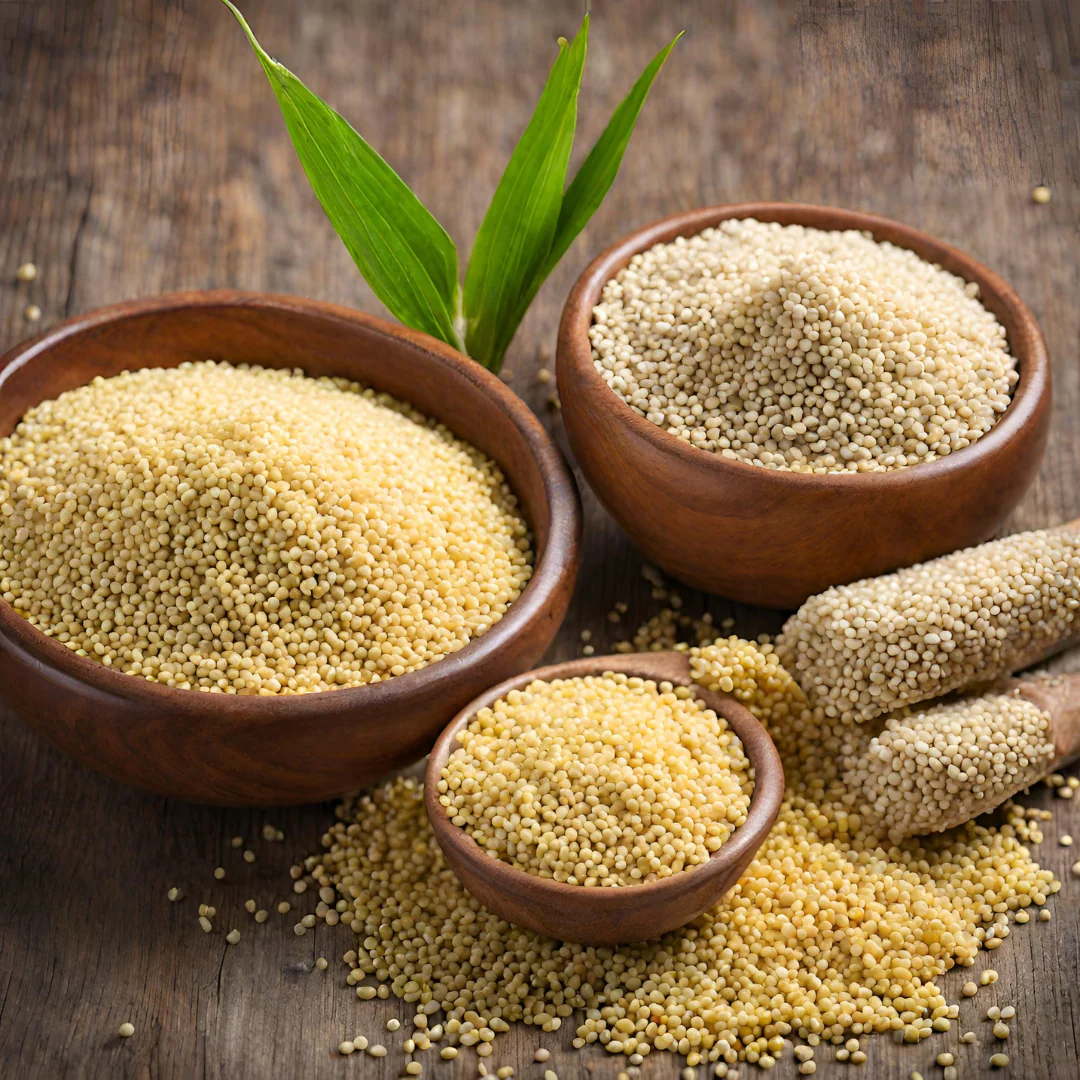
Samai: A Traditional Millet for Healthy and Wholesome Everyday Meals
Introduction: Bring the Goodness of Samai to Your Kitchen
Samai, also known as Little Millet, is a traditional grain that has been part of Indian food culture for centuries. This tiny millet is known for its mild flavor, easy digestion, and versatility in cooking. As more people search for healthy millet recipes, gluten-free grains, and traditional food options, Samai has become a popular choice among modern households. From simple breakfast dishes to satisfying lunch recipes, this ancient grain makes it easier to enjoy nutritious meals without losing the comfort of traditional flavors.
What Is Samai and Why Is It Popular Today?
Samai is a traditional millet variety commonly used in South Indian cooking. Known as Little Millet in English, it has a delicate texture and can be prepared in many ways similar to rice. Many families are now including Samai recipes in their weekly meals because of growing awareness about millet benefits and healthy eating habits. Its ability to blend with different spices, vegetables, and cooking styles makes it a convenient grain for both traditional recipes and modern millet-based dishes.
Nutritional Benefits of Samai
Why Add Samai to Your Daily Food Choices?
Samai is appreciated for its natural nutritional value and its role in balanced meals. It contains dietary fiber and important nutrients that make it a valuable addition to a healthy lifestyle. People searching for Little Millet nutrition, millet benefits, and healthy rice alternatives often choose Samai as part of their meal plans. Whether cooked as a rice substitute, made into breakfast dishes, or included in snacks, Samai offers a simple way to add variety to everyday cooking.
Health Benefits of Samai for a Balanced Lifestyle
How Samai Supports Modern Dietary Needs
Traditional grains like Samai are becoming popular because they match the needs of people looking for wholesome food options. Its fiber content helps make meals more satisfying, while its natural nutrients support a balanced diet. Many people include Samai recipes for weight-conscious meal planning and healthier food routines. When combined with vegetables, lentils, and other nourishing ingredients, Samai becomes a flavorful and practical choice for families who want to enjoy traditional grains regularly.
How to Use Samai in Everyday Cooking
Easy Samai Recipes for Breakfast, Lunch, and Dinner
Samai is one of the most flexible millets available for home cooking. It can replace rice in dishes like Samai pongal, millet biryani, and variety rice recipes. It can also be used to prepare dosa, idli, upma, and porridge. Those looking for easy millet recipes often prefer Samai because it absorbs flavors well and works with familiar Indian cooking methods. This makes the transition from regular grains to traditional millets simple and enjoyable.
Tips for Cooking Samai Perfectly
Simple Preparation Methods for Better Results
Preparing Samai properly helps achieve the right taste and texture in every dish. Washing the millet well before cooking removes excess dust and improves the final result. Soaking Samai for a short time can make it softer and reduce cooking time. The water ratio may vary depending on the recipe, so adjusting it carefully is important. Using fresh, quality millet and storing it properly in an airtight container helps maintain its natural flavor.
Why Traditional Millets Like Samai Are Returning to Homes
The renewed interest in traditional millets reflects a growing preference for natural and diverse food choices. Samai has been used in regional cuisines for generations, and today it is finding a place in modern kitchens because of its versatility. Many people are exploring millet-based diets to reduce dependence on highly processed foods and include more traditional ingredients. By choosing Samai, families can enjoy familiar recipes while bringing more variety and heritage into their daily meals.
Samai and Sustainable Food Practices
Millets like Samai have long been connected with traditional farming systems and local food cultures. Their ability to grow in different conditions has made them an important crop for many farming communities. Today, consumers are showing more interest in naturally grown grains and sustainable food choices. Including Samai in everyday meals supports the preservation of traditional grains while encouraging healthier cooking habits. This combination of nutrition, tradition, and sustainability makes Samai a valuable addition to modern diets.
Why Choose Aram Iyarkai?
Choosing a reliable source for traditional grains helps maintain quality and authenticity in your cooking. Aram Iyarkai focuses on providing naturally sourced food products that connect customers with traditional ingredients. The brand works toward preserving the original qualities of native grains while making them accessible for everyday use. With attention to natural sourcing and traditional food values, Aram Iyarkai helps families enjoy the genuine taste of grains like Samai while preparing healthy homemade meals.
7 Samai Recipe Ideas to Try at Home
1. Samai Pongal
2. Samai Dosa
3. Samai Vegetable Upma
4. Samai Biryani
5. Samai Curd Rice
6. Samai Payasam
7. Samai Idli
Best Recipe: Samai Curd Rice Recipe (Little Millet Curd Rice)
Ingredients
-
1 cup Samai (Little Millet)
-
2½ cups water
-
1 cup thick curd (yogurt)
-
½ cup milk (optional, for a creamy texture)
-
Salt as needed
-
1 tablespoon oil or ghee
-
1 teaspoon mustard seeds
-
1 teaspoon urad dal
-
1 teaspoon chana dal
-
1–2 green chillies, finely chopped
-
1 inch ginger, finely chopped
-
Few curry leaves
-
2 tablespoons chopped coriander leaves
-
A pinch of asafoetida (hing)
Step-by-Step Procedure
-
Wash Samai thoroughly and soak it for 15–20 minutes to help it cook evenly.
-
Cook the soaked Samai with water until it becomes soft and slightly mushy, similar to the texture of regular curd rice.
-
Allow the cooked Samai to cool completely before adding curd. Mixing curd with hot millet may affect its taste and texture.
-
Add thick curd, milk, and salt to the cooled Samai. Mix well until everything combines smoothly.
-
Heat oil or ghee in a small pan. Add mustard seeds and allow them to splutter.
-
Add urad dal, chana dal, green chillies, ginger, curry leaves, and asafoetida. Sauté until the dals turn golden.
-
Pour the tempering over the Samai curd rice and mix gently.
-
Garnish with coriander leaves and serve chilled or at room temperature.
Cooking Time
-
Preparation time: 20 minutes
-
Cooking time: 20–25 minutes
Serving Size
Serves 3–4 people.
Useful Tips for Better Taste
-
Use fresh curd for the best flavor and creamy texture.
-
Cooking Samai slightly softer gives a texture closer to traditional curd rice.
-
Adding a little milk helps maintain softness, especially if preparing in advance.
-
For extra flavor, you can add grated carrot, pomegranate seeds, or finely chopped cucumber before serving.
-
Serve Samai Curd Rice with mango pickle, lemon pickle, or a simple vegetable side dish for a traditional meal experience.
Frequently Asked Questions About Samai
1. What is Samai called in English?
Samai is called Little Millet in English. It is one of the traditional millet varieties commonly used in Indian cuisine.
2. What are the health benefits of Samai?
Samai contains dietary fiber and natural nutrients that make it a useful addition to balanced meals. It is often chosen by people looking for healthy millet options.
3. How can I cook Samai?
Samai can be cooked like rice and used in recipes such as pongal, dosa, idli, upma, biryani, and other millet-based dishes.
4. Is Samai gluten-free?
Yes, Samai is naturally gluten-free and is commonly used by people who prefer gluten-free grains and traditional millet alternatives.
5. Can Samai replace rice in daily meals?
Yes, Samai can replace rice in many everyday recipes. Dishes like Samai pongal, curd rice, and variety rice are easy ways to include this millet regularly.