

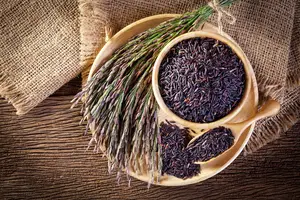
What is Karuppu Kavuni Rice?
Karuppu Kavuni Rice, also known as Black Kavuni Rice, is an ancient traditional rice variety native to Tamil Nadu. It belongs to the family of naturally pigmented rice and gets its striking black color from anthocyanins—the same powerful antioxidants found in blueberries and black grapes.
Unlike refined rice, it is minimally processed, allowing it to retain valuable nutrients found in the bran layer.
Key Characteristics
-
Naturally black or dark purple grains
-
Rich, nutty, earthy flavor
-
Slightly chewy texture after cooking
-
High antioxidant content
-
Naturally gluten-free
-
Traditionally cultivated in Tamil Nadu
Nutritional Value of Karuppu Kavuni Rice
The nutritional values may vary slightly depending on cultivation and processing methods.
|
Nutrient |
Approximate Value (Per 100g Uncooked) |
|
Energy |
350 kcal |
|
Carbohydrates |
74 g |
|
Protein |
8–9 g |
|
Dietary Fiber |
4–6 g |
|
Fat |
2–3 g |
|
Iron |
Moderate |
|
Calcium |
Moderate |
|
Magnesium |
High |
|
Zinc |
Moderate |
|
Potassium |
Good Source |
|
Anthocyanins |
Very High |
Benefits of Karuppu Kavuni Rice
1. Rich in Powerful Antioxidants
Its deep black color comes from anthocyanins, which help protect the body's cells from oxidative stress. Antioxidants support overall wellness and help reduce damage caused by free radicals.
2. Supports Heart Health
Karuppu Kavuni Rice contains beneficial plant compounds, fiber, and minerals that may help maintain healthy cholesterol levels when included as part of a balanced diet.
3. Promotes Healthy Digestion
The natural fiber content supports smoother digestion and helps maintain regular bowel movements. It also promotes a healthy gut environment.
4. Helps Manage Blood Sugar Levels
Compared to highly polished white rice, Karuppu Kavuni Rice has a lower glycemic impact because of its fiber-rich bran layer. When consumed in appropriate portions, it can support balanced blood sugar management.
5. Keeps You Fuller for Longer
Its combination of fiber and complex carbohydrates slows digestion, helping reduce unnecessary snacking and supporting healthy weight management.
6. Supports Natural Immunity
Packed with vitamins, minerals, and antioxidants, Karuppu Kavuni Rice contributes to overall immune function and daily nutritional needs.
7. A Better Whole-Grain Choice
Since it undergoes minimal processing, it retains much of its natural nutrition, making it a healthier alternative to refined rice.
Health Benefits
Supports Weight Management
The high fiber content promotes satiety, helping you feel full for a longer period.
Good for Active Lifestyles
Its complex carbohydrates provide steady energy without causing rapid spikes in blood sugar.
Naturally Gluten-Free
People following a gluten-free lifestyle can enjoy Karuppu Kavuni Rice as a wholesome grain option.
Supports Bone Health
Minerals such as magnesium and phosphorus contribute to healthy bones and muscles.
Encourages Better Gut Health
Whole grains provide dietary fiber that nourishes beneficial gut bacteria.
Beauty Benefits
Good nutrition often reflects in healthier skin and hair. Since Karuppu Kavuni Rice is rich in antioxidants and essential minerals, regular consumption as part of a balanced diet may help support overall skin vitality.
Skin Benefits
-
Supports natural collagen production
-
Helps protect skin cells from oxidative damage
-
Contributes to healthy skin texture
-
Encourages a natural glow through balanced nutrition
Hair Benefits
The vitamins and minerals present in whole grains may help support healthy hair growth and stronger hair when combined with an overall nutritious diet.
Traditional Medicinal Significance
In traditional Tamil food culture, Karuppu Kavuni Rice has long been valued as a nourishing grain. While many traditional beliefs surround its health-promoting qualities, it should be enjoyed as part of a balanced diet and not considered a replacement for medical treatment.
Who Should Consume Karuppu Kavuni Rice?
It is an excellent choice for:
-
Health-conscious families
-
Fitness enthusiasts
-
Working professionals
-
Growing children
-
Senior citizens
-
Vegetarians
-
People looking for whole-grain alternatives
-
Individuals interested in traditional Tamil foods
Who Should Limit or Avoid It?
Karuppu Kavuni Rice is generally safe for most people. However, portion size and individual dietary needs matter.
You may wish to seek advice from a healthcare professional if you:
-
Have advanced kidney disease requiring mineral restrictions
-
Need a medically prescribed low-fiber diet
-
Have specific digestive conditions during flare-ups
Possible Side Effects
When eaten in excess, some people may experience:
-
Temporary bloating
-
Mild digestive discomfort
-
Feeling overly full because of its fiber content
Introducing it gradually into your meals can help your digestive system adjust.
Buying Guide
Choosing authentic Karuppu Kavuni Rice makes a noticeable difference in taste and nutrition.
Look for:
-
Certified organic cultivation
-
Naturally black grains
-
Uniform grain size
-
No artificial polishing
-
No added colors or preservatives
-
Fresh harvest whenever possible
-
Airtight packaging
If you plan to Buy Karuppu Kavuni Rice Online, purchase from a trusted online organic store known for sourcing directly from farmers. Customers looking for an organic store in Chennai, natural foods in Chennai, or a dependable organic shopping store in Chennai should choose retailers that prioritize quality, transparency, and chemical-free products.
Storage Tips
To keep Karuppu Kavuni Rice fresh:
-
Store in an airtight container.
-
Keep it in a cool, dry place.
-
Protect it from direct sunlight.
-
Avoid moisture.
-
Use clean, dry scoops.
-
Refrigerate during humid weather if storing for several months.
Healthy Tips
-
Soak the rice for 6–8 hours before cooking to improve texture and reduce cooking time.
-
Pair it with dal, vegetables, and legumes for a balanced meal.
-
Add healthy fats such as sesame oil or ghee in moderation for enhanced flavor.
-
Rotate it with other traditional whole grains for dietary variety.
Best Time to Consume
Karuppu Kavuni Rice can be enjoyed at lunch or dinner. It also works well as a wholesome post-workout meal when paired with protein-rich foods like lentils or sprouts.
Common Mistakes to Avoid
Even though Karuppu Kavuni Rice is nutritious, a few simple mistakes can affect its taste and texture.
-
Skipping the soaking step: Soak the rice for 6–8 hours to reduce cooking time and achieve a soft, fluffy texture.
-
Using too little water: Black rice absorbs more water than polished white rice. Follow the recommended water ratio for best results.
-
Overcooking: Excess cooking can make the grains mushy and reduce their pleasant chewy texture.
-
Eating oversized portions: Although healthier than refined rice, portion control is still essential for a balanced diet.
-
Improper storage: Exposure to moisture can reduce freshness and attract insects.
Expert Tips
-
Wash the rice gently two or three times without excessive rubbing to preserve the nutrient-rich bran layer.
-
Cook in an earthen pot or heavy-bottomed vessel for traditional flavor.
-
Pair it with vegetables, lentils, greens, and pulses for a complete meal.
-
Add spices like cumin, pepper, ginger, or curry leaves for enhanced aroma and digestion.
-
Store small quantities in the kitchen and larger stocks in airtight containers away from humidity.
Myth vs. Fact
|
Myth |
Fact |
|
Black rice is artificially colored. |
Authentic Karuppu Kavuni Rice gets its natural black color from anthocyanins. |
|
It is only suitable for special occasions. |
It can be enjoyed as part of everyday healthy meals. |
|
Black rice cannot replace white rice. |
It is an excellent whole-grain alternative in many recipes. |
|
It has no protein. |
It contains more protein and fiber than many refined rice varieties. |
|
Only fitness enthusiasts should eat it. |
It is suitable for families, children, adults, and seniors as part of a balanced diet. |
How to Include Karuppu Kavuni Rice in Your Daily Routine
Adding this traditional rice to your meals is easier than many people expect.
Try these simple ideas:
-
Replace white rice once or twice a week.
-
Prepare vegetable pulao using Karuppu Kavuni Rice.
-
Enjoy it with sambar, rasam, or kootu.
-
Make nourishing rice bowls with sprouts and vegetables.
-
Prepare sweet pongal or payasam during festivals.
-
Use leftover cooked rice in healthy salads.
-
Add it to dosa or idli batter for extra nutrition.
7 Best Recipes Using Karuppu Kavuni Rice
-
Traditional Karuppu Kavuni Sweet Rice
-
Karuppu Kavuni Vegetable Pulao
-
Karuppu Kavuni Coconut Rice
-
Karuppu Kavuni Payasam
-
Healthy Black Rice Salad
-
Karuppu Kavuni Lemon Rice
-
Karuppu Kavuni Mushroom Fried Rice
Featured Recipe: Traditional Karuppu Kavuni Sweet Rice
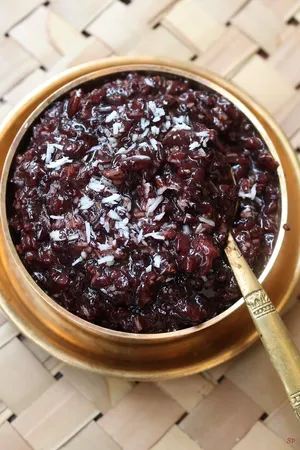
A Classic Tamil Delicacy
This traditional recipe highlights the naturally rich flavor of Karuppu Kavuni Rice with jaggery, coconut, and aromatic cardamom. It's wholesome, festive, and surprisingly simple to prepare.
Preparation Time
20 minutes (plus 6–8 hours soaking)
Cooking Time
50–60 minutes
Servings
4
Ingredients
-
1 cup Karuppu Kavuni Rice
-
3 cups water
-
¾ cup powdered jaggery
-
½ cup freshly grated coconut
-
2 tablespoons ghee
-
½ teaspoon cardamom powder
-
10–12 cashew nuts
-
10 raisins
-
A pinch of salt
Step-by-Step Method
-
Wash the rice thoroughly and soak it for 6–8 hours.
-
Drain the soaked rice.
-
Cook the rice with water until soft but not mushy.
-
Melt the jaggery in a small pan with a little water and strain to remove impurities.
-
Add the jaggery syrup to the cooked rice and mix gently.
-
Stir in grated coconut and cardamom powder.
-
Heat ghee separately and roast the cashews and raisins until golden.
-
Add the roasted nuts to the rice.
-
Cook on low heat for another 5 minutes.
-
Serve warm.
Tips
-
Freshly grated coconut enhances the authentic taste.
-
Use organic jaggery for a richer flavor.
-
Avoid overcooking after adding jaggery, as it may affect the texture.
Variations
-
Add roasted almonds or pistachios for extra crunch.
-
Include a few strands of saffron for festive occasions.
-
Replace part of the water with coconut milk for a creamier version.
Nutritional Highlights
-
Rich in antioxidants
-
Good source of dietary fiber
-
Naturally gluten-free
-
Provides slow-releasing carbohydrates
-
Contains essential minerals from whole-grain rice
Frequently Asked Questions
1. Is Karuppu Kavuni Rice healthier than white rice?
Yes. Karuppu Kavuni Rice is a whole grain that naturally contains more fiber, antioxidants, vitamins, and minerals than polished white rice. Its bran layer remains intact, making it a more nutritious option for people looking to include wholesome grains in their daily diet.
2. Can people with diabetes eat Karuppu Kavuni Rice?
Karuppu Kavuni Rice has more fiber and a lower glycemic impact than refined white rice, which may help support steadier blood sugar levels. However, portion size is still important. People with diabetes should include it as part of a balanced meal and follow advice from their healthcare provider or dietitian.
3. How long should Karuppu Kavuni Rice be soaked before cooking?
For the best texture, soak Karuppu Kavuni Rice for 6 to 8 hours or overnight. Soaking helps reduce cooking time, improves the texture, and allows the grains to cook more evenly while retaining their natural flavor.
4. Where can I buy authentic Karuppu Kavuni Rice online?
Choose a trusted online organic store that sources directly from farmers and offers naturally grown, chemical-free rice. If you're looking to Buy Karuppu Kavuni Rice Online, purchasing from a reliable organic store in Chennai or a reputable organic shopping store in Chennai helps ensure freshness, authenticity, and quality.
5. Can Karuppu Kavuni Rice be eaten every day?
Yes. Karuppu Kavuni Rice can be included in your regular meal plan as part of a balanced diet. Rotating it with other traditional whole grains, millets, and legumes provides a wider range of nutrients while keeping meals interesting and satisfying.