

Introduction
White Cholam is becoming a popular choice among people looking for traditional grains that fit into a healthy lifestyle. Known for its mild taste, natural nutrition, and versatility, this ancient millet can be used in many everyday dishes. From breakfast recipes to wholesome dinners, White Cholam offers a simple way to bring variety to regular meals. With growing interest in millet recipes and gluten-free foods, brands like Aram Iyarkai are helping families reconnect with naturally grown traditional ingredients.
What Is White Cholam and Why Is It Gaining Popularity?
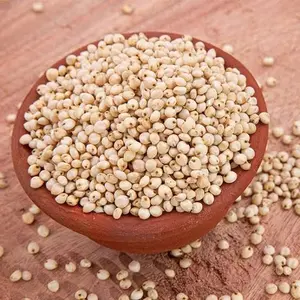
White Cholam, also known as white sorghum, is a traditional grain widely used in Indian cooking. It belongs to the millet family and has been valued for generations due to its nutritional benefits and adaptability in recipes. Many people searching for healthy millet options, gluten-free grains, and ancient grains are including White Cholam in their diets. Its light flavor makes it suitable for preparing rotis, dosas, porridges, and snacks without changing the authentic taste of homemade food.
Nutritional Benefits of White Cholam
Why Add White Cholam to Your Daily Diet?
White Cholam is rich in dietary fiber, plant-based nutrients, and essential minerals that support balanced meals. As a naturally gluten-free grain, it is often chosen by people exploring healthier alternatives to refined grains. Including White Cholam recipes in a weekly meal plan can add more variety while keeping traditional cooking methods alive. Its slow-digesting carbohydrates make it a satisfying ingredient for breakfast, lunch, or dinner preparations.
Health Benefits of White Cholam for Modern Lifestyles
A Traditional Grain with Everyday Advantages
Many families are returning to traditional grains because they offer a closer connection to natural eating habits. White Cholam can support a balanced diet when combined with vegetables, pulses, and other nutritious ingredients. It is commonly searched online as “White Cholam benefits,” “sorghum nutrition,” and “healthy millet recipes” because people want practical ways to include wholesome grains in daily cooking. Choosing quality grains from trusted sources like Aram Iyarkai can make traditional cooking easier and more convenient.
How to Use White Cholam in Indian Cooking
Simple Ideas for Breakfast, Lunch, and Dinner
The best feature of White Cholam is its flexibility in the kitchen. It can be ground into flour for making soft rotis, mixed into dosa batter, or cooked as a rice alternative. Many healthy Indian recipes with White Cholam combine it with spices, vegetables, and lentils to create flavorful meals. Whether you prefer traditional South Indian dishes or simple homemade food, this grain can easily become part of your regular cooking routine.
Tips for Cooking White Cholam Perfectly
Preparing and Cooking the Grain Correctly
Proper preparation helps bring out the best texture and taste of White Cholam. Soaking the grain before cooking can improve softness and reduce cooking time. When making flour-based recipes, using freshly ground White Cholam flour often gives better flavor and aroma. Pairing it with ingredients like curry leaves, vegetables, coconut, and spices can enhance the natural taste. Storing the grain in an airtight container also helps maintain freshness for longer periods.
Why Choose Traditional Grains Like White Cholam?
Traditional grains are receiving attention because they support diverse eating patterns and preserve regional food traditions. Unlike highly processed options, grains like White Cholam bring authentic flavors and cooking possibilities to modern kitchens. Many health-conscious consumers now search for organic millet products and chemical-free grains while planning family meals. Aram Iyarkai focuses on making traditional ingredients accessible for people who want to include natural foods in their everyday recipes.
7 White Cholam Recipe Ideas to Try at Home
-
White Cholam Dosa
-
White Cholam Roti
-
White Cholam Pongal
-
White Cholam Upma
-
White Cholam Porridge
-
White Cholam Adai
-
White Cholam Vegetable Khichdi
Best Recipe: White Cholam Dosa
Ingredients
-
1 cup White Cholam
-
¼ cup urad dal
-
2 tablespoons poha
-
½ teaspoon fenugreek seeds
-
Salt as needed
-
Water for soaking and grinding
-
Oil for cooking dosa
Step-by-Step Procedure
-
Wash White Cholam, urad dal, poha, and fenugreek seeds separately.
-
Soak all ingredients together for 6–8 hours.
-
Grind the mixture into a smooth batter by adding water gradually.
-
Add salt and allow the batter to ferment overnight.
-
Heat a dosa pan and spread the batter into a thin circle.
-
Add a few drops of oil and cook until the dosa becomes crisp.
-
Serve hot with chutney or sambar.
Cooking Time
Preparation time: 8 hours including soaking and fermentation
Cooking time: 15–20 minutes
Serving Size
This recipe serves approximately 3–4 people.
Tips for Better Results
Use good-quality White Cholam for better texture and flavor. A well-fermented batter creates softer dosas with a pleasant aroma. Keep the pan at the right temperature before spreading the batter to achieve evenly cooked dosas. Adding a small amount of poha helps improve crispness while maintaining a light texture. Fresh coconut chutney or homemade sambar pairs especially well with this traditional grain-based breakfast.
Frequently Asked Questions About White Cholam
1. What is White Cholam?
White Cholam is a traditional sorghum grain used in Indian cooking. It is naturally gluten-free and can be used in recipes like dosa, roti, porridge, and other millet-based dishes.
2. Is White Cholam good for health?
Yes, White Cholam can be a healthy addition to a balanced diet because it contains dietary fiber and important nutrients. It works well as part of meals that include vegetables, pulses, and other whole foods.
3. How can I cook White Cholam?
White Cholam can be cooked in different ways, including making flour for rotis, preparing dosa batter, cooking porridge, or using it in traditional grain-based dishes.
4. Can White Cholam be used for gluten-free recipes?
Yes, White Cholam is naturally gluten-free, making it a suitable grain option for people who avoid gluten-containing cereals and want more variety in their meals.
5. Where can I buy quality White Cholam?
Quality White Cholam can be purchased from trusted traditional food brands and organic grain providers. Aram Iyarkai offers naturally sourced products for those looking to include traditional grains in their cooking.