

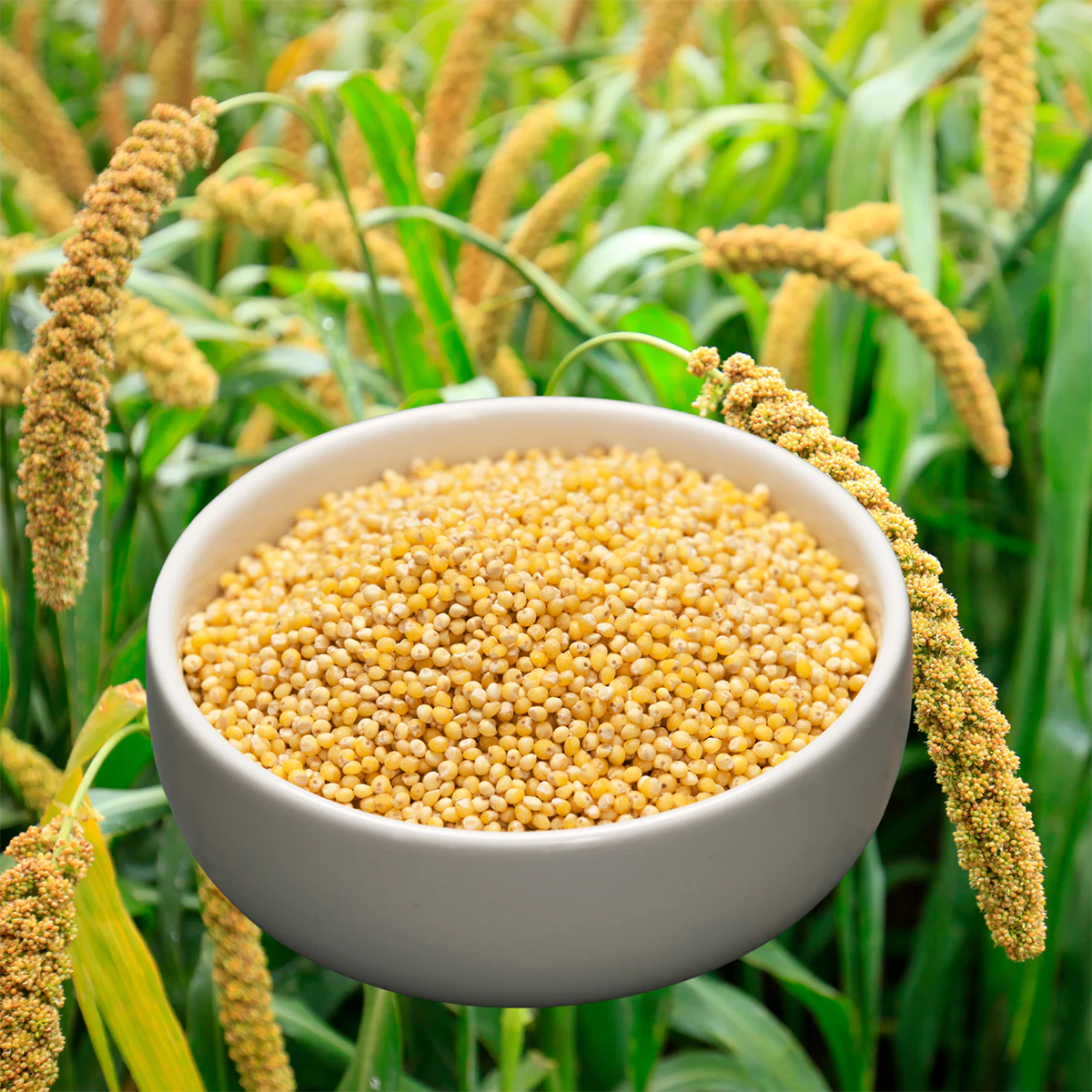
Introduction: Discover the Goodness of Thinai in Your Daily Diet
Thinai, also known as Foxtail Millet, is one of the oldest traditional grains used in Indian cooking. For generations, this small golden millet has been valued for its taste, versatility, and natural nutrition. Today, Thinai is gaining popularity among people searching for healthy millet recipes, gluten-free grains, and better alternatives to refined foods. From breakfast dishes to wholesome main courses, this ancient grain brings traditional flavors and modern dietary benefits together in a simple way.
What Is Thinai and Why Is It Becoming Popular?
Thinai is a traditional millet that has been part of Indian agriculture and food culture for centuries. Known as Foxtail Millet in English, it has a mild nutty flavor and can be used in many everyday recipes. As more people look for organic millets, ancient grains, and healthy food choices, Thinai has become a preferred option in many households. Its ability to replace rice in several dishes makes it a practical ingredient for modern kitchens.
Nutritional Benefits of Thinai
Why Include Thinai in Your Regular Meals?
Thinai is valued for its nutritional qualities and is often included in balanced meal plans. It contains dietary fiber, plant-based nutrients, and essential minerals that support a wholesome diet. Many people searching for Thinai benefits and Foxtail Millet nutrition choose this grain as part of their healthy eating routine. Whether prepared as rice alternatives, breakfast dishes, or snacks, Thinai provides a traditional way to add variety and nourishment to everyday meals without changing familiar cooking habits.
Health Benefits of Thinai for a Balanced Lifestyle
How Thinai Supports Healthy Eating Habits
Traditional millets like Thinai are becoming popular because they fit well into different dietary preferences. Its fiber content makes it a satisfying grain choice, while its natural nutrients make it suitable for regular meals. Many families include Thinai recipes for weight management, diabetic-friendly meal planning, and overall wellness-focused diets. When combined with vegetables, pulses, and other nutritious ingredients, Thinai can become a flavorful part of a balanced lifestyle.
How to Use Thinai in Everyday Cooking
Simple Thinai Recipes for Breakfast, Lunch, and Dinner
One of the biggest advantages of Thinai is its versatility in cooking. It can be used instead of rice for dishes like Thinai pongal, millet biryani, and variety rice recipes. It can also be made into dosa, idli, upma, and porridge. People looking for easy millet recipes often choose Thinai because it blends well with traditional Indian spices and cooking methods. This makes it easier for families to include healthy grains without making major changes to their regular meals.
Tips for Cooking Thinai Perfectly
Preparation Methods for Better Taste and Texture
Cooking Thinai correctly helps bring out its natural flavor and texture. Washing and soaking the millet before cooking can improve softness and reduce preparation time. For recipes that require a rice-like texture, maintaining the right water ratio is important. Roasting Thinai slightly before cooking can add a pleasant aroma and nutty taste. Storing the millet in a dry, airtight container helps preserve its freshness and quality for longer periods.
Why Traditional Millets Like Thinai Are Returning to Modern Kitchens
The growing interest in traditional grains reflects a shift toward natural and mindful food choices. Thinai represents the connection between ancient farming practices and today’s demand for nutritious ingredients. Many people are exploring millet-based diets because they want more variety beyond commonly used grains. With increasing awareness about organic farming, sustainable food habits, and traditional recipes, Thinai has found a renewed place in homes looking for healthier meal options.
How Thinai Supports Sustainable Food Choices
Millets like Thinai require fewer resources compared to many conventional crops, making them an important part of traditional farming systems. Choosing millet-based foods helps support crop diversity and preserves indigenous food practices. Many consumers now prefer naturally grown grains because they want food that is closer to its original form. Including Thinai in daily meals is not only a personal health choice but also a way to reconnect with sustainable and traditional food cultures.
Why Choose Aram Iyarkai?
When selecting traditional grains like Thinai, quality and sourcing play an important role. Aram Iyarkai focuses on bringing naturally sourced traditional food products to families who value authentic ingredients. The brand emphasizes maintaining the original quality of native grains while making them easier to include in everyday cooking. With carefully selected products and a focus on traditional food values, Aram Iyarkai helps customers enjoy the taste and benefits of heritage grains with confidence.
7 Thinai Recipe Ideas to Try at Home
1. Thinai Pongal
2. Thinai Dosa
3. Thinai Vegetable Upma
4. Thinai Biryani
5. Thinai Payasam
6. Thinai Lemon Rice
7. Thinai Idli
Best Recipe: Thinai Pongal
Ingredients
-
1 cup Thinai (Foxtail Millet)
-
½ cup moong dal
-
1 teaspoon black pepper
-
1 teaspoon cumin seeds
-
1 tablespoon ginger (finely chopped)
-
Few curry leaves
-
2 tablespoons ghee
-
Cashews as required
-
Salt as needed
-
Water as required
Step-by-Step Procedure
-
Wash Thinai and moong dal thoroughly and soak them for 15–20 minutes.
-
Heat a pressure cooker and lightly roast the moong dal for extra flavor.
-
Add Thinai, water, salt, and cook until both ingredients become soft.
-
Heat ghee separately and add pepper, cumin, ginger, curry leaves, and cashews.
-
Pour this tempering over the cooked Thinai mixture.
-
Mix well and serve hot with coconut chutney or sambar.
Cooking Time
Preparation time: 20 minutes
Cooking time: 25 minutes
Serving Size
Serves 3–4 people.
Useful Tips
Lightly roasting Thinai before cooking improves its aroma and taste. Adjust the water quantity depending on whether you prefer a soft or slightly grainy texture. Using fresh spices and good-quality millet creates a more flavorful pongal. Serving Thinai Pongal hot with chutney or sambar gives the best traditional experience.
Frequently Asked Questions About Thinai
1. What is Thinai called in English?
Thinai is known as Foxtail Millet in English. It is one of the traditional millet varieties commonly used in Indian cooking.
2. What are the health benefits of Thinai?
Thinai is a nutritious millet containing dietary fiber and essential nutrients. It is often included in balanced diets and healthy millet meal plans.
3. How can I cook Thinai?
Thinai can be cooked like rice or used in recipes such as pongal, dosa, idli, upma, biryani, and porridge.
4. Is Thinai gluten-free?
Yes, Thinai is naturally gluten-free, making it a popular grain choice for people looking for gluten-free alternatives to wheat-based foods.
5. Can Thinai replace rice in daily meals?
Yes, Thinai can be used as a rice alternative in many dishes. Recipes like Thinai variety rice, pongal, and biryani are easy ways to include it in regular meals.